Growth & Intelligence
Dropshipping Automation
Sell your suppliers' inventory without touching the orders.
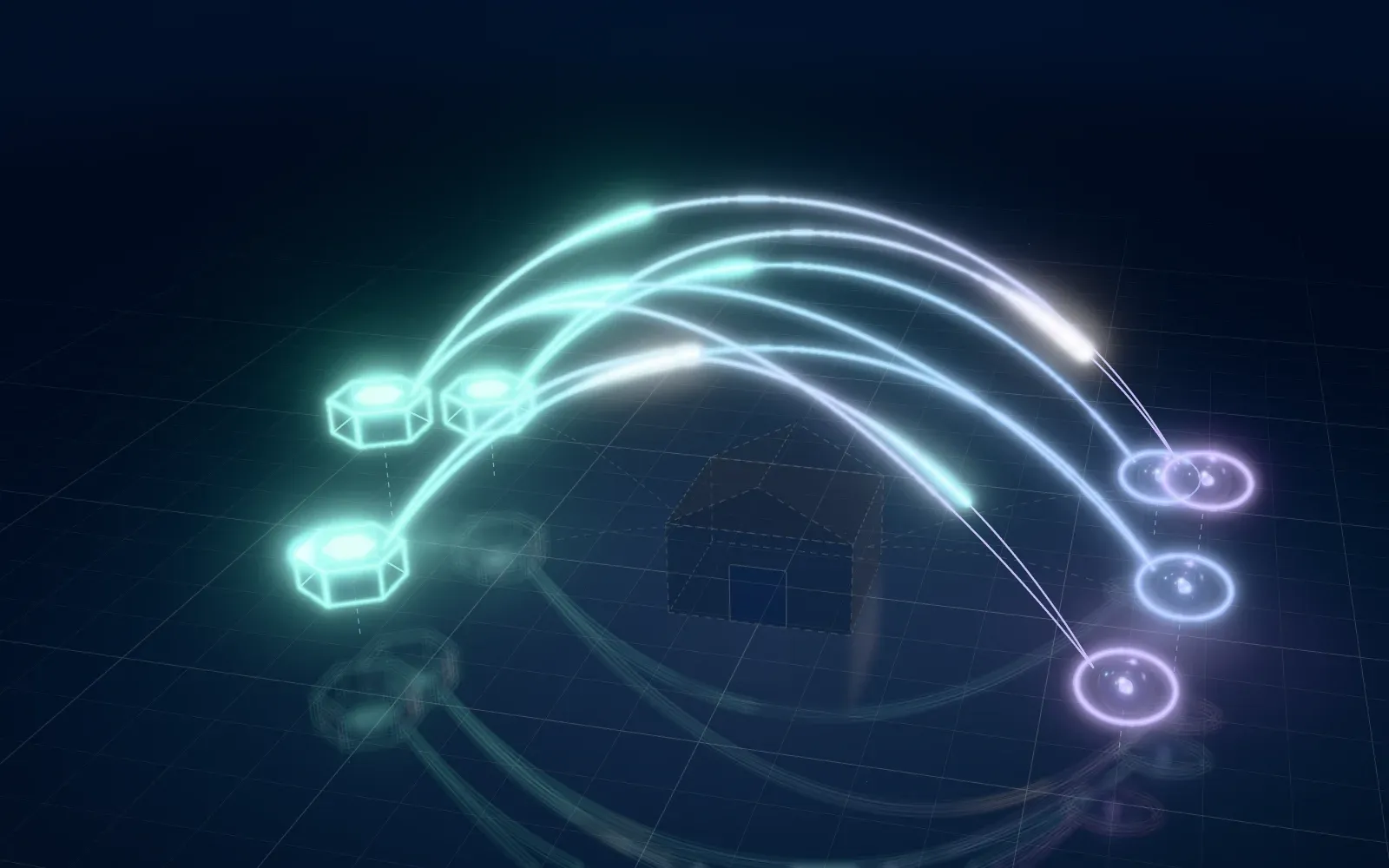
We connect supplier feeds by EDI, CSV or API so their products, costs and stock levels stay current on your channels. Orders for dropship items are routed to the right vendor automatically, and tracking comes back to the marketplace without anyone touching it. You can expand your catalog without adding warehouse space or headcount.
The shift
From manual workarounds to automated by default
Before Audaxim AI
- Supplier stock updated by hand, leading to cancellations
- Orders emailed to vendors one at a time
- Tracking numbers chased and uploaded manually
- Supplier cost changes that erode margin unnoticed
- Each new vendor requires a different process
After Audaxim AI
- Supplier stock and costs synced on schedule
- Orders sent to vendors automatically
- Tracking returned to channels without manual work
- Margin checks when supplier costs change
- A repeatable onboarding process for new vendors
Capabilities
Everything included in Dropshipping
Supplier feed ingestion
Import vendor catalogs, costs and inventory from EDI 846, CSV over SFTP, or supplier APIs, with validation on every load.
Automated vendor routing
Dropship orders are split from stocked items and sent to the right vendor as an EDI 850, API call or formatted PO file.
Tracking & ASN return
Vendor shipment confirmations and EDI 856 ASNs update the order and push tracking to the originating marketplace.
Multi-supplier SKU mapping
Map one listing to multiple suppliers with priority and cost rules, so orders go to the vendor with stock and the best cost.
Cost & margin guardrails
When a supplier cost changes, prices and margin are checked against your rules before the listing stays live.
Vendor performance tracking
Track each supplier's ship times, cancellation rates and feed freshness, so issues are visible before they hurt seller metrics.
How we deliver
A clear path from audit to always-on
- 01
Vendor review
We review each supplier's data format, order method and service levels, and your current dropship workflow.
- 02
Feed & routing design
We define feed mappings, sync frequency, routing rules and margin guardrails for each vendor.
- 03
Connect & test
Supplier connections are built and tested end to end with sample orders, cancellations and tracking returns.
- 04
Go-live & monitoring
Vendors go live one at a time, and we monitor feed freshness, order transmission and tracking returns 24/7.
Works with
Your stack, connected
- EDI
- Shopify
- Amazon
- Walmart
- eBay
- Home Depot
- Overstock
- NetSuite
FAQ
Dropshipping questions, answered
What if our suppliers only send spreadsheets?
That works. We can ingest CSV or Excel files from email or SFTP on a schedule and validate them before stock or costs are updated.
Can we mix dropship and stocked items in one order?
Yes. Orders are split automatically, with stocked lines routed to your warehouse and dropship lines sent to the vendor.
Are marketplaces okay with dropshipping?
Policies vary by marketplace. Most allow it when you remain the seller of record and follow their packaging and identification rules, so we recommend confirming each channel's current policy.
How often are supplier stock levels updated?
As often as the supplier provides data. API-connected vendors can update frequently, while file-based vendors update on each file drop.
Pairs well with
Related services
Multi-Channel Fulfillment
Coordinate your warehouse, 3PLs, FBA and ShipStation so every order ships on time, tracking reaches every channel, and overselling stays at zero.
Zero OversellingProduct Listings & SEO
Manage product data in one place and publish optimized, compliant listings to Amazon, Walmart, Shopify and 200+ channels.
200+ Channels to publish toOrder Management
Pull orders from 200+ channels into one dashboard, route them automatically, and handle cancellations and returns without switching portals.
200+ Channels in one order queueReady when you are
Ready to automate dropshipping?
Book a free, no-pressure walkthrough with an integration specialist. Bring your channels, your ERP and your biggest bottleneck.
- No credit card
- No commitment
- Reply within one business day